
扫码到手机上查看
或分享到朋友圈和好友

https://mp.weixin.qq.com/s/iD1HiZOpmkCJCBLYhQEHLg

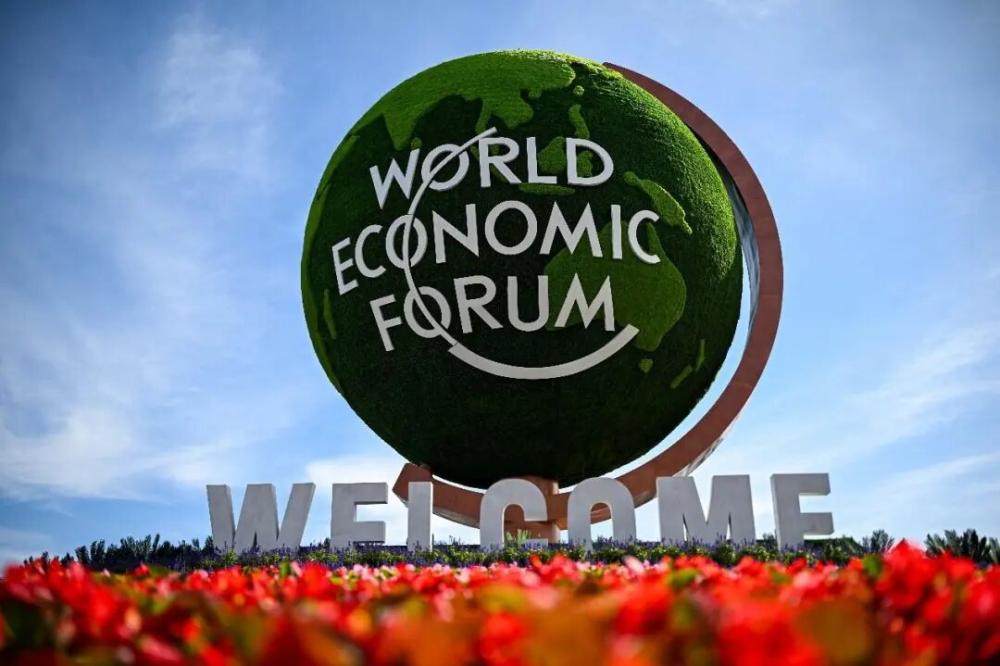
2026年6月23日至25日,世界经济论坛第十七届新领军者年会(Annual Meeting of the New Champions 2026,AMNC 2026,又简称“夏季达沃斯论坛”)在辽宁大连隆重举行。本届论坛以规模化创新(Innovating at Scale)为主题,汇聚了来自90多个国家和地区的1700余位政府、企业、国际组织及学术界代表,围绕人工智能、能源转型、先进制造、生物科技等前沿议题展开交流,共同探讨如何推动科技创新加快走向产业应用,为全球经济增长和可持续发展注入新动能。国务院总理李强出席开幕式并发表主旨演讲。
在这一全球顶尖的创新交流平台上,实验室主任、中国科学院院士戴民汉,实验室副主任柴扉应邀参会并在论坛相关专题发言,与全球各界精英同频共振,在世界舞台上贡献鹭江智慧。
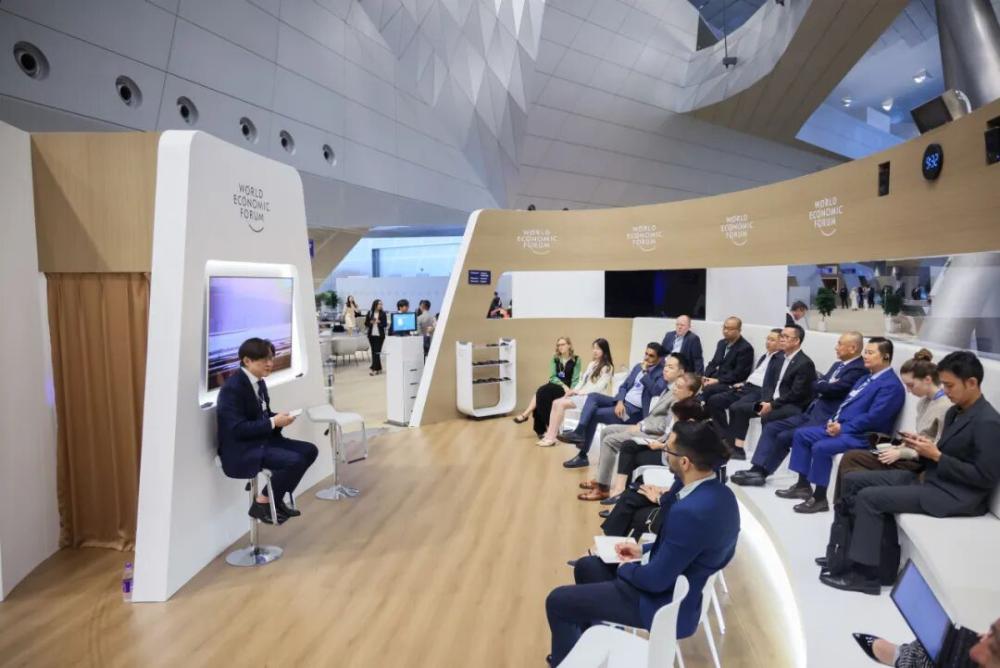
论坛期间,戴民汉院士应邀共同主持了Engineering the Ocean专题。作为世界经济论坛“再生蓝色经济全球未来理事会”核心成员,他在会上深入解读了该理事会最新发布的重磅报告——《再生蓝色经济:繁荣之路》。
戴民汉院士从科学家的视角,深刻剖析了亚洲乃至全球在海洋基础设施建设中面临的生态挑战与危机。他明确提出,应对全球气候与生态危机,必须超越传统以“减少损害、维持基线”为核心的被动局限,全面转向“主动再生”的新范式。他积极倡导将“生态修复”与“经济/工程框架”深度融合的“再生蓝色经济”方案。
与此同时,他发出了前瞻性的全球呼吁:“我们必须在2030年前,将‘净正向影响’(Net-Positive Impact)原则深度纳入基础设施建设与全球蓝色金融标准中,推动传统海洋工程向生态赋能的‘再生蓝色经济’规模化转型,使之真正成为驱动全球蓝色新质生产力与可持续繁荣的‘蓝色引擎’。”
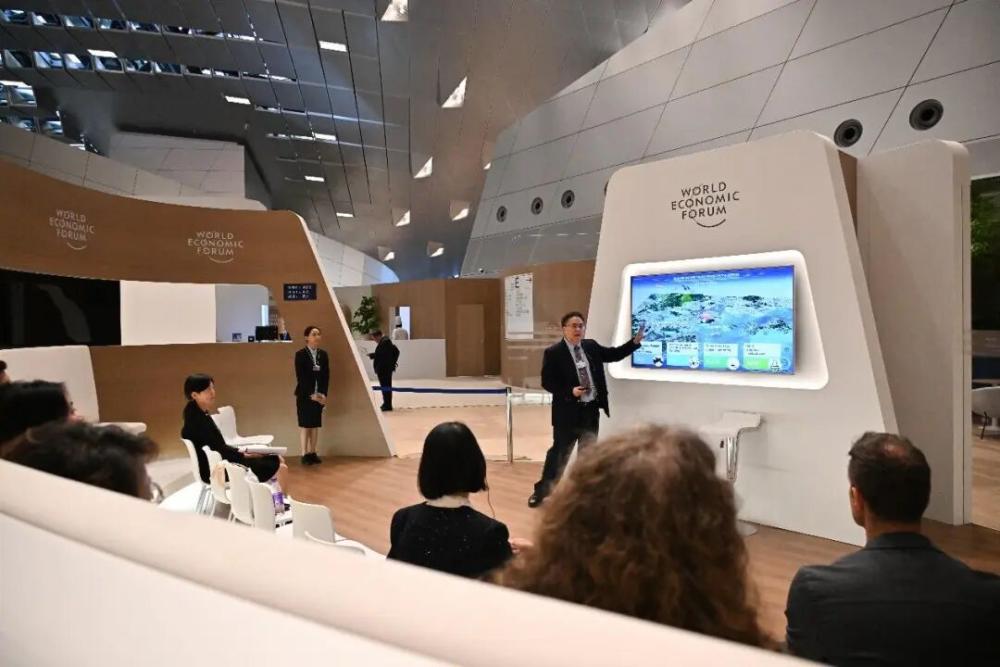
在Seeing the Invisible Earth专题上,柴扉教授围绕联合国“海洋十年”认可的国际大科学计划——数字孪生海洋(DITTO),全面展示了这一前沿技术如何赋能未来可持续蓝色经济的发展。
他介绍指出,“数字孪生海洋”融合了海洋观测、人工智能、大数据分析和数值模拟等核心技术,能够构建起一个实时感知、模拟和预测海洋变化的“数字孪生系统”。该系统将为海洋治理、气候变化应对、海洋灾害预警和蓝色经济发展提供强大的科学决策支撑。柴扉进一步强调,数字孪生技术正在推动海洋科学实现根本性跨越——由传统的“认识海洋”迈向“预测海洋、管理海洋”。这一分享高度契合了本届达沃斯关于“前沿技术现实部署”的时代考题。
作为全球最具影响力的创新交流平台之一,本届论坛强调,在国际地缘政治深刻演变、全球经济分化加剧的背景下,科技创新绝不能仅停留在实验室的“单点突破”,而必须依托庞大的产业生态和应用场景,快速转化为现实生产力,推动新质生产力“从点到面”的规模化落地。
这一核心主旨,与鹭江创新实验室的发展理念不谋而合。
自成立以来,鹭江创新实验室坚持构建开放、协同、融合的创新生态系统,围绕全球海洋科技前沿和国家重大战略需求,持续汇聚国际创新资源,推动基础研究、关键技术攻关、成果转化和国际合作协同发展,加快海洋科技创新成果从科学发现走向产业应用。
此次实验室两位领军专家受邀在夏季达沃斯论坛发声,不仅展示了实验室在数字孪生海洋、再生蓝色经济等前沿领域的先导性探索,更体现了实验室积极融入全球科技创新网络、以开放合作促进科技创新规模化发展的持续努力。这与本届论坛“规模化创新”的主题形成了有力呼应,彰显了实验室及中国海洋科技深度参与全球创新合作、服务全球可持续发展的担当与生动实践。
在论坛期间,两位专家充分利用夏季达沃斯这一高规格国际平台,积极拓展实验室的国际合作朋友圈,与多位国际组织、领军企业代表展开了建设性对话。
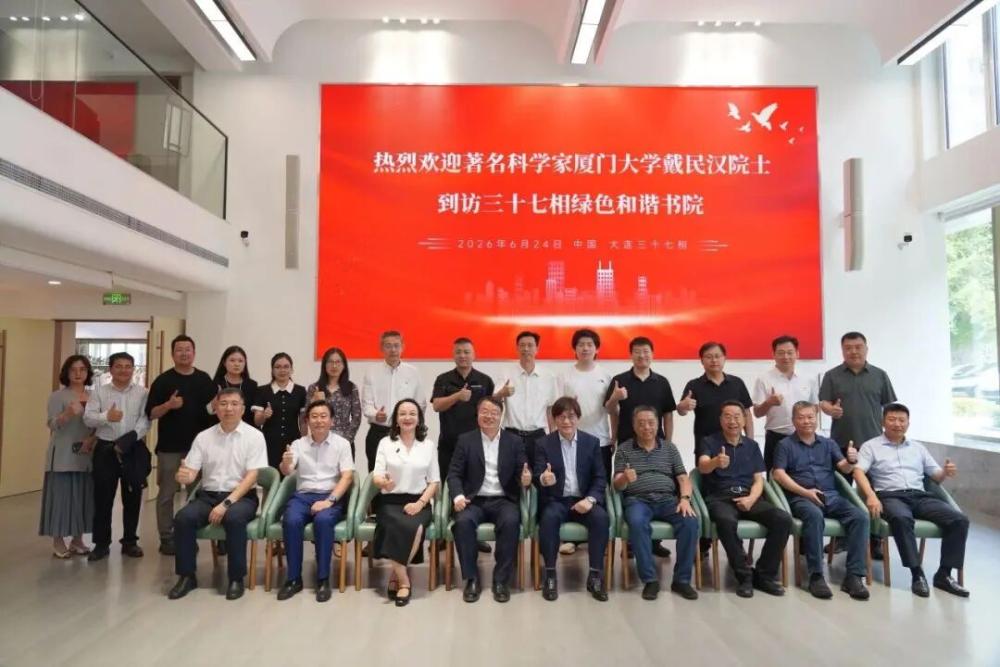
此外,在大连参会期间,戴民汉院士还应邀参加了厦门大学辽宁校友会举办的“院士下午茶”活动。他以《漫谈海洋战略、海洋科技与海洋经济高质量发展》为题,与参会的各界代表及校友亲切分享交流,共同探讨海洋产业创新发展的新路径与新机遇,进一步扩大了实验室在区域经济和校友网络中的学术与社会影响力。实验室常务副主任吴立武、副主任柴扉、首席投资官赵克斌等也参加了该活动。
Scaling Innovation: Fujian-OI Leading Experts Invited to Join Global Leaders at Summer Davos 2026
At the 17th Annual Meeting of the New Champions (AMNC 2026, also known as Summer Davos 2026) held in Dalian, China, leading experts from Fujian Ocean Innovation Center (Fujian-OI) were invited to join global leaders to discuss how cutting-edge innovation can be translated into real-world impact. Convened under the overarching theme "Innovating at Scale," AMNC 2026 brought together over 1,700 participants from more than 90 countries and regions to explore transformative pathways for sustainable economic growth driven by science and technology.
Representing Fujian-OI, Prof. Minhan Dai, Academician of the Chinese Academy of Sciences and Director of Fujian-OI, and Prof. Fei Chai, Deputy Director of Fujian-OI, were invited to contribute their expertise to high-level thematic sessions, addressing critical challenges at the intersection of ocean sustainability, deep technology, and global governance.
As Co-Chair of the "Engineering the Ocean" session, Prof. Dai articulated a forward-looking vision for a regenerative blue economy, drawing directly on the newly released milestone report, The Regenerative Blue Economy: Pathways to Prosperity. He highlighted the urgent necessity to move beyond traditional "damage-mitigation" framework – which merely focuses on minimizing harm – and transition toward active regenerative development that restores marine ecosystems while simultaneously unlocking long-term economic value. He called for a systemic shift to embed net-positive impact principles into global marine infrastructure and blue finance criteria by 2030.
"When legal and market systems reward ecological gains," Prof. Dai noted, "regenerative engineering can move from being an ambitious exception to the industry standard."
In the session titled Seeing the Invisible Earth, Prof. Fei Chai introduced Digital Twins of the Ocean (DITTO), a UN Ocean Decade-endorsed program. Prof. Chai demonstrated how DITTO seamlessly integrates ocean observations, artificial intelligence, numerical modelling and big-data analytics to construct an interactive, high-fidelity digital replica of marine systems. This advanced infrastructure enables real-time monitoring, high-precision simulation, and predictive forecasting of ocean processes. By bridging the gap between raw data and actionable insights, DITTO provides a robust, evidence-based decision-support system for marine governance, climate resilience, and sustainable blue economic development, driving ocean science from "understanding the ocean" to "predicting and managing the ocean".
Together, the insights shared by Fujian-OI’s leading experts perfectly mirrored the complementary aspects of the Forum's theme on "Innovating at Scale". While the regenerative blue economy framework outlines the strategic vision for the future of ocean stewardship, DITTO delivers the core technological architecture required to translate that vision into scalable, real-world deployment.
Their high-profile participation underscores Fujian-OI's ongoing commitment to fostering an open, collaborative, and integrated innovation ecosystem. By seamlessly linking fundamental scientific discovery and technological innovation with international collaboration, Fujian-OI continues to expand China’s active role in global ocean governance and sustainability.
Beyond the official sessions, Prof. Dai and Prof. Chai engaged in a series of bilateral meetings with representatives from international organizations, multinational corporations, and premier research institutions. These high-level exchanges have significantly broadened Fujian-OI's global partnership network, reinforcing its institutional capacity to drive cross-border and cross-sector cooperation in ocean science and the global blue economy.
END
延展
阅读
文案:欧阳予湉
编辑:王贵华
审核:戴民汉 柴扉 王贵华